







Search Results for: Milk-Extracted Coffee
How to Make Milk-Brewed Coffee? From Bean Selection to Cold Brew, Front Street Shares a Practical Guide to Milk-Extracted Coffee
When water can no longer satisfy coffee enthusiasts' desire for exploration, milk becomes a new extraction medium. Is it reliable to brew pour-over coffee with milk? The answer is no—milk has high saturation, weak extraction power, and proteins denature when heated above 70 degrees. But with a different approach, cold-brewing milk coffee by soaking coffee grounds in milk at low temperature is entirely feasible: low temperatures won't spoil the milk, and the extended soaking time exactly compensates for the lack of extraction efficiency. This time, Front Street Coffee selected the medium-dark roasted Sunflower Warm Sun blend, paired with Guangming Fresh Pasture fresh milk, using a 1:8 coffee-to-milk ratio and soaking at low temperature for 12 hours, ultimately obtaining a cup of milk-brewed coffee with sherry wine aroma and chocolate milk flavors. Let's take a look at the specific steps and key details below. [more…]

Can Warm Milk Extract Coffee? A Comparative Test of Three Coffee Beans to Help You Make Smooth Milk-Brewed Coffee
What kind of flavor performance would using warm milk instead of cold water to extract coffee bring? Front Street Coffee conducted a comparative experiment with three beans of different roast levels and found that the medium-roast bean, when soaked in warm milk, had both fruity aromas and chocolate notes, and its mouthfeel was the most appealing. But the experiment also revealed the problem that a milk temperature of 40°C combined with a granulated sugar grind size and a 3-hour soak easily led to over-extraction. For this reason, Front Street adjusted the plan, shortening the time to 1.5 hours and switching to Ethiopian Santa Vini beans, obtaining a smooth milk coffee interwoven with honey, pineapple, and cream biscuit notes. This article fully records the experimental process and tasting results, providing a reference for enthusiasts who want to try milk-extracted coffee. [more…]

Can Milk Be Used for Cold Brew Coffee? A Detailed Guide to Milk Brew Coffee Preparation and Storage Time
When water can no longer satisfy coffee lovers' desire for exploration, milk has become a new extraction medium. Is it actually feasible to use milk instead of water to brew coffee? The pour-over method is difficult to achieve due to milk's high saturation and limited heating temperature, but the cold brew immersion method offers new possibilities. This article will verify in detail the feasibility of milk cold brew coffee, starting from Front Street's practical experience, and share coffee bean selection preferences, home brewing steps, and storage precautions. Choose medium-dark roast or medium roast coffee beans, pair with fresh milk and soak at low temperature for 12 hours, and you can get a rich, fragrant milk coffee with a chocolate milk flavor. Want to know how to do it specifically? Let's take a look together. [more…]

What's the Difference Between Milk Brew and Cold Brew with Milk? A Detailed Guide to the Fresh Milk Cold Brew Coffee Grounds Method and Cold Brew Latte Preparation
Cold brew coffee methods are endlessly varied, and when milk is introduced into a low-temperature immersion system, two distinctly different paths emerge: one is to directly replace water with fresh milk to cold-brew coffee grounds, known as milk brew; the other is to first make cold brew coffee, then mix in fresh milk according to a ratio. The two differ noticeably in extraction mechanism, flavor direction, and mouthfeel thickness. This article focuses on the practical parameters of Front Street. Queen's Estate, providing respectively the ratios, grind size, refrigeration time, and filtration key points for milk brew coffee and cold brew with milk added, and explaining the choice of medium-dark roasted beans and fruity medium-roasted beans suitable for pairing with milk, to help coffee enthusiasts make a smooth, sweetly fragrant, and clearly flavored cold brew latte in summer. [more…]

Why Is Milk Unsuitable for Pour-Over Coffee? Analyzing the Truth of Milk-Brewed Coffee Through Temperature, Concentration, and Flow Rate
Using milk instead of water to brew pour-over coffee sounds like an interesting experiment, but once you actually try it, you'll find that getting a delicious cup of milk coffee is nearly impossible. Front Street Coffee has shared related experiments many times, and the conclusion is always the same: milk is not suitable for brewing coffee. Three core limitations lie behind this—temperature, concentration, and flow rate. Milk can neither maintain a good mouthfeel at high temperatures, nor avoid severely slowing down extraction due to its own high concentration, and it can even turn drip extraction into immersion extraction. This article will break down these limitations one by one and explain why, if you want to extract coffee with milk, immersion is the more viable direction. [more…]
What Is Milk-Brewed Coffee? The Complete Method and Recipe Ratios for Making Cold Brew with Milk Instead of Water
Replace the water in cold brew coffee with fresh milk, steep the coffee grounds at low temperature for a long time, and after filtering you get a silky, rich milk-brewed coffee. This method has recently drawn attention in coffee circles and is being called a new choice for fans of iced milk cold brew. This article will start with the principles of milk brewing, explaining why low-temperature extraction reduces bitterness and off-flavors, and how milk gives coffee a smooth, chocolate-milk-like texture. It then breaks down the practical points one by one: what roast level and flavor type to choose for the coffee beans, the actual differences in performance between fresh milk and oat milk, whether the grind should be coarser or finer than regular cold brew, what mouthfeel the 1:8 to 1:12 coffee-to-milk ratios each produce, the trade-offs between direct steeping and bag-steeping in terms of time and convenience, and whether it can be stored overnight once made. The article also retains Front Street's demonstration and specific parameters using two beans: Brazil Queen's Estate and Colombia Flower Moon Night. [more…]

How to Quickly Extract Coffee with Hot Milk? A Detailed Explanation of the Principles of Milk-Brewed Coffee and Its Difference from Cold Brew
Many friends have tried milk-brewed coffee and found that the traditional method takes too long, and the resulting cup has an obvious fermented taste that isn't very appealing. So is there a way to shorten the extraction time and reduce that fermented flavor? The answer is yes—simply raise the milk temperature and make the coffee grounds finer. In this article, Front Street Coffee will walk you through how to quickly brew a rich and delicious milk coffee using milk, including the reasonable temperature range for the milk, the choice of grind size, notes on stirring and filtering, and a complete brewing demonstration with parameters to share, helping you easily master this convenient and tasty way of making coffee. [more…]

Pros and Cons of Drip Bag Coffee | How to Brew Jamaican Blue Mountain No. 1 Drip Coffee Bags? What Are the Wrong Ways to Brew Filter Coffee Bags?
For more specialty coffee knowledge, please follow the WeChat official account: Front Street Coffee (FrontStreet Coffee). Drip bag coffee is loved by coffee enthusiasts for its convenience, so many novice coffee lovers who have just started using drip bag coffee ask Front Street Coffee (FrontSt [more…]
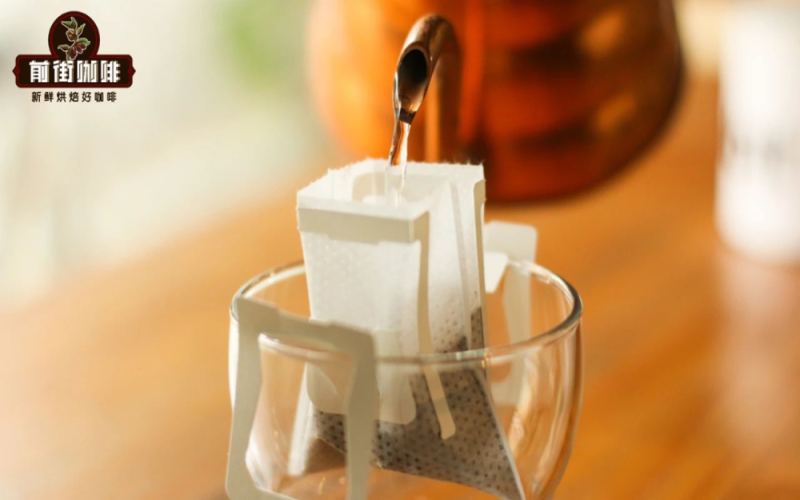
Drip Coffee Bags | How acidic is dark roast Brazilian drip black coffee? How to brew Mandheling, Yirgacheffe, and Brazilian drip coffee?
With the rise of the specialty coffee trend, coffee culture has been continuously spreading, and sales of both coffee equipment and coffee beans are constantly increasing. As a store focused on specialty coffee, Front Street not only brews a delicious cup of coffee for every guest, but also aims to spread coffee culture. If everyone [more…]
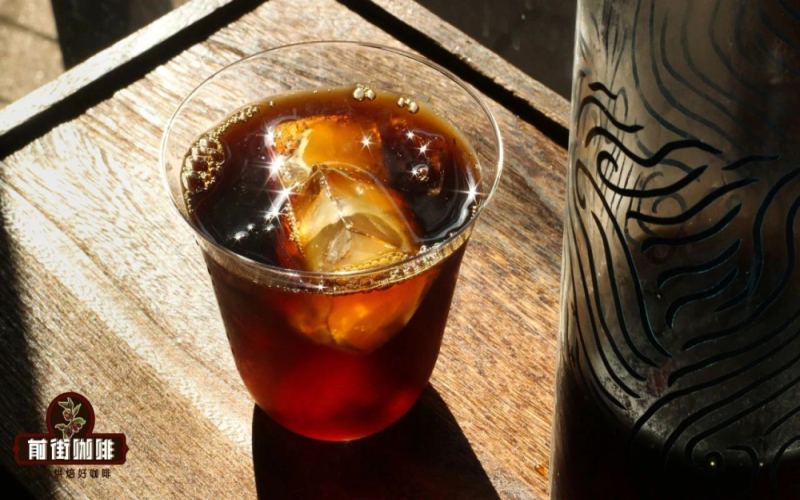
What Type of Coffee Does Cold Drip Coffee Belong To? A Detailed Explanation of the Preparation Steps and Its Flavor Differences from Cold Brew Coffee
As temperatures gradually rise, cold beverages enter their peak sales season, and cafés are putting all kinds of iced coffee on their menus, including Americano, cold brew, and the rather time-consuming ice drip coffee. Many consumers wonder why ice drip coffee is often priced considerably higher than ordinary iced coffee. In this article, Front Street Coffee will explain ice drip coffee's category classification, extraction principles, complete brewing process, and how it differs in flavor from cold brew coffee, while also introducing ice drip coffee's storage advantages and the people it suits, to help coffee lovers gain a comprehensive understanding of this slow-crafted coffee category. [more…]
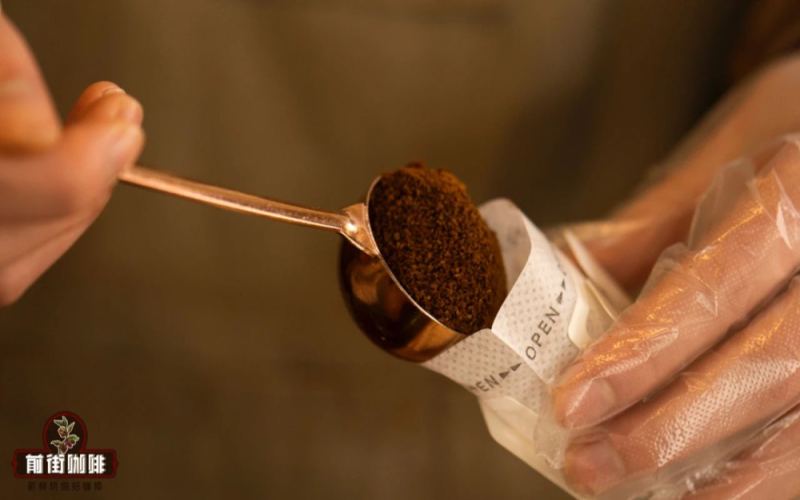
Drip bags vs instant coffee | Which is better: pour-over drip coffee bags or instant coffee? Is there a big difference in flavor and mouthfeel between drip coffee bags and hand-brewed coffee?
With the rise of the specialty coffee trend, coffee culture has been continuously spreading, and sales of both coffee equipment and coffee beans have been steadily increasing. As a shop focused on specialty coffee, Front Street not only brews a delicious cup of coffee for every guest, but also wants to spread coffee culture. If everyone [more…]
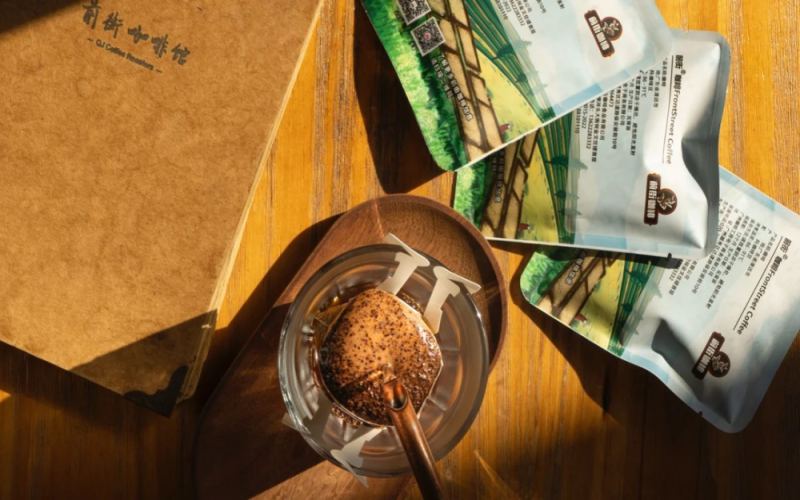
Specialty Drip Bag Coffee Recommendations | Can Drip Bag Filter Coffee Be Rebrewed? What Are the Precautions for Brewing Drip Bag Black Coffee? Does Drip Bag Coffee Taste Good?
Drip bag coffee is a very convenient way to brew coffee. All you need is a drip bag, hot water, and a cup, and you can get a delicious cup of black coffee. You might ask, "Why is drip bag coffee compared to a simplified version of pour-over coffee?" Because drip bag coffee is made by grinding fresh coffee beans into the appropriate coffee [more…]
A Complete Guide to the World's Twelve Great Specialty Coffee Regions: The Flavor Geography from Colombia to India
The flavor code of coffee is often hidden in the land where it grows. From the Andes in South America to the highlands of Africa, from the Caribbean islands to the archipelagos of Asia, each producing region shapes an unrepeatable landscape in the cup through its unique climate, altitude, and processing methods. This article will take you on a visit to twelve globally recognized high-quality coffee origins—Colombia's balanced smoothness, Ethiopia's wild wine-like aroma, Jamaica Blue Mountain's scarce legend, Yemen Mocha's complexity and variability, as well as the distinctive personalities of Kenya, Indonesia, Hawaii, and other places. Whether you are a beginner pour-over enthusiast or a seasoned player looking for your next bag of beans, this origin guide can help you build a clearer flavor coordinate system. Front Street Coffee will also accompany you in understanding the origins while finding the cup that suits you. [more…]
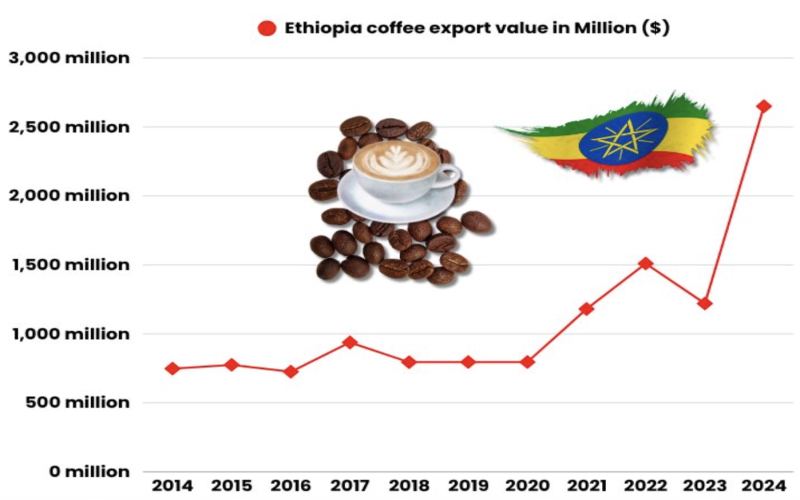
2024-2025 Ethiopia Coffee Export Report: Ethiopia's Main Coffee Export Destinations and Production
Ethiopia is not only the birthplace of Arabica coffee but also one of the world's major suppliers of high-quality coffee beans. Coffee occupies a central position in Ethiopia's economy, culture, and trade. In 2024-2025, Ethiopia's coffee export volume and export revenue both reached historic highs, marking [more…]
A comprehensive interpretation of Jamaican Blue Mountain coffee: origin tracing, grade classification, and flavor characteristics
Blue Mountain coffee comes from the Blue Mountains in eastern Jamaica and is globally recognized as one of the finest coffees. This article provides a systematic overview of Jamaican Blue Mountain coffee from multiple dimensions, including the growing environment, historical origins, grade classification, quality control, export quotas, and brewing methods. Blue Mountain coffee is known as the "beauty of coffees" because its sweetness, acidity, and bitterness are highly balanced, with almost no bitterness and only a moderate, elegant acidity. The article also explains in detail the differences between Blue Mountain coffee, High Mountain coffee, and Jamaican coffee, as well as the historical background of Japan's long-standing dominance of the Blue Mountain trade, helping coffee lovers gain a comprehensive understanding of this legendary coffee. [more…]
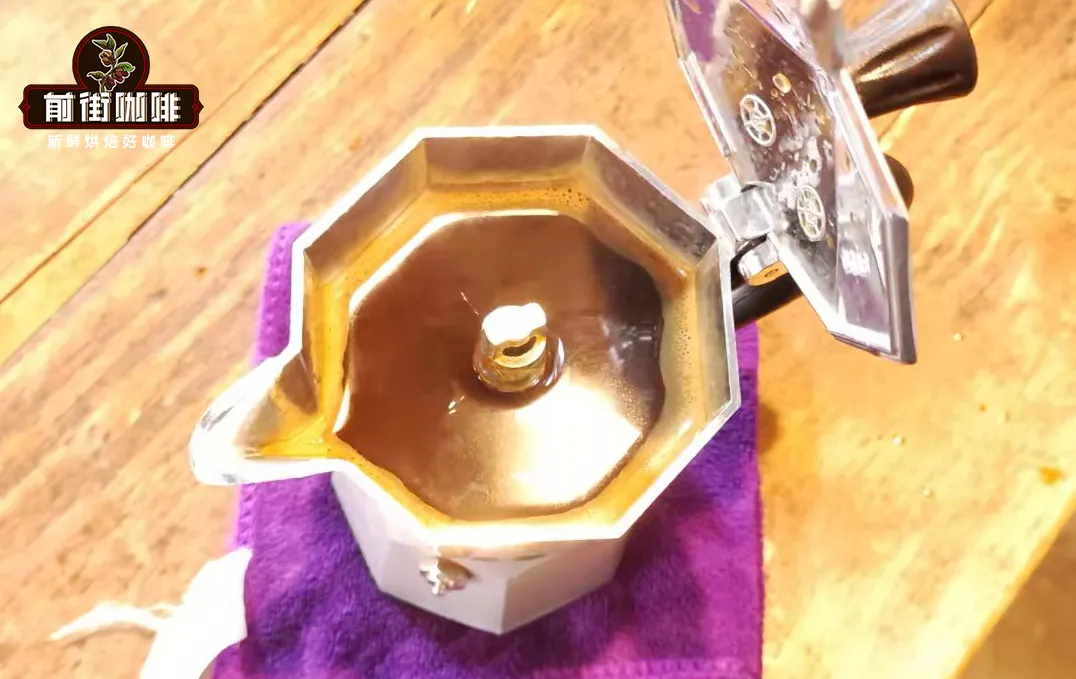
Types of Black Coffee Brewing Methods | What Are the Extraction Principles of Pour-Over and Espresso? How Do Drip Coffee, Immersion Coffee, and Boiled Coffee Differ?
There are quite a few types of coffee. Some people like instant coffee, some like pour-over, and others like cold brew. Coffee made with different methods has its own characteristics—some has a layered mouthfeel with distinct flavors, while some is convenient to brew. You can choose according to your own preferences. Pour-over [more…]

Seven Elements of Hand-Brewed Coffee | Is the correct English for hand-brewed coffee "Hand Drip" or "Pour Over coffee"? What are the brewing methods for hand-brewed coffee?
What is the English for pour-over coffee? If translated literally, it could be rendered as "Hand coffee," but that term is definitely incorrect. Next, expressions like "Hand punch" are also common mistranslations. The correct term should be "Pour over coffee." Now, pour-over [more…]
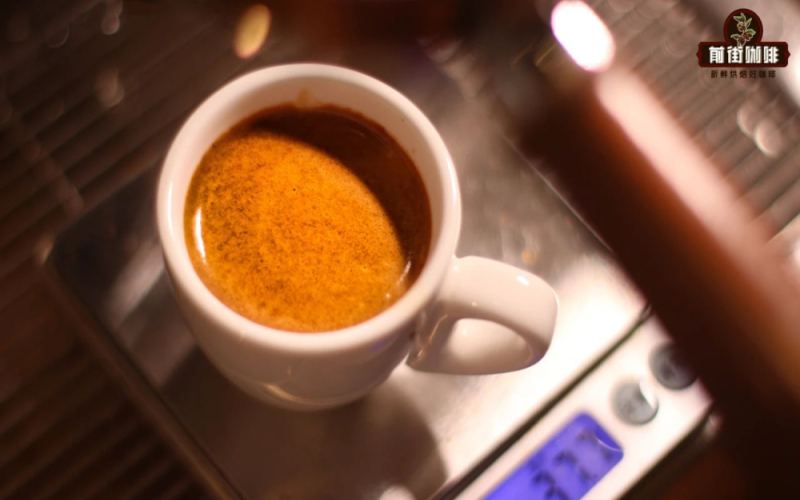
Characteristics of Decaf Coffee Beans | Where Does Decaf Coffee Come From? What's the Difference Between Decaf Coffee and Regular Coffee? How Is Caffeine-Free Coffee Made?
As people pursue health, many drinks marketed as sugar-free and low-fat have appeared in everyone's life. Coffee, as one of the world's three major beverages, is naturally no exception, and low-caffeine coffee has also been introduced, namely the decaf coffee commonly seen in coffee shops today. So what are the characteristics of decaf coffee? Then [more…]
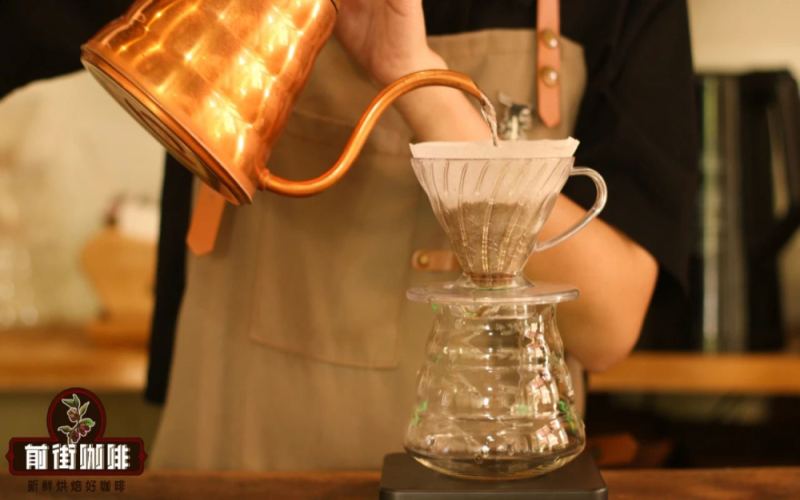
How to Make Pour-Over Coffee for Two | How Should the Coffee-to-Water Ratio for Pour-Over Coffee Be Allocated? What Coffee Strength Does the SCAA (Specialty Coffee Association of America) Recommend?
With the development of the specialty coffee market, single-origin coffee is increasingly recognized by the public, so many coffee enthusiasts are teaching themselves how to brew pour-over coffee at home. As a result, coffee-loving friends often ask, when buying coffee beans at Front Street Coffee, how the coffee-to-water ratio for pour-over coffee should be determined. So in this next article, Front Street [more…]
A Complete Overview of Classic Coffee Varieties Worldwide: Chinese-English Name Comparison and Detailed Flavor and Taste Differences
The world of coffee is rich and varied, from the mellow depth of Mandheling to the elegance of Blue Mountain, from the intensity of espresso to the refreshing coolness of iced coffee—each has its own unique flavor personality. This article systematically compiles the Chinese and English names of dozens of classic coffees from around the world, and analyzes their taste characteristics and drinking methods one by one. Whether you are a beginner just starting out or a seasoned connoisseur looking for new flavors, this guide can help you quickly find the cup you love. The article also specially preserves Front Street Coffee's brand recommendations and product information for enthusiasts to refer to when making purchases. [more…]